Tips for submitting to a photography contest

Oriol Alamany, photographer, member of the organization and jury of MedFoto
What is the reason that someone enters a photography contest? To win the main prize? To get public recognition? For the joy of participating? Sure, no one shows up to lose, but we don’t need to obsess over prizes or consider ourselves a failure if we don’t get any.
After all, it is a recreational or competitive activity, in which you can participate with other photography enthusiasts. What you should do is prepare your submission well and take into account some aspects that I will detail now.

Study the rules
The main thing if you want to enter a photography contest is to study its bases well. It is very important that you check what is the purpose of the contest and the theme that the organization has proposed, as well as its different categories. Not all contests are open to all types of photos. As a photographer who has been part of many juries, I can say that I have had to eliminate a lot of images that had nothing to do with the theme of the contest: photos of potted geraniums on a balcony in wild nature contests, a portrait of the partner submitted in a category of landscape and similar things.
The more you focus on submitting images that capture the requested subject, the better chance you have of getting to the final stages of the selection. Luckily, MedFoto is a contest with a wide range of categories (From wild nature, to people and their trades, sports, underwater photography…) and you can submit photographs with very different themes… yes, as long as they have been taken in the Mediterranean Sea or on its coastline!
It is also necessary to read in detail the limits that are set regarding the digital manipulation of the submitted images. Today it is very easy to retouch photographs, so that the final image ends up being extremely far from what the photographer experienced at the time of capturing it. At MedFoto we look for photographs that show us the reality of the Mediterranean environment and that convey the personal experience of the author, not something made after on a computer.
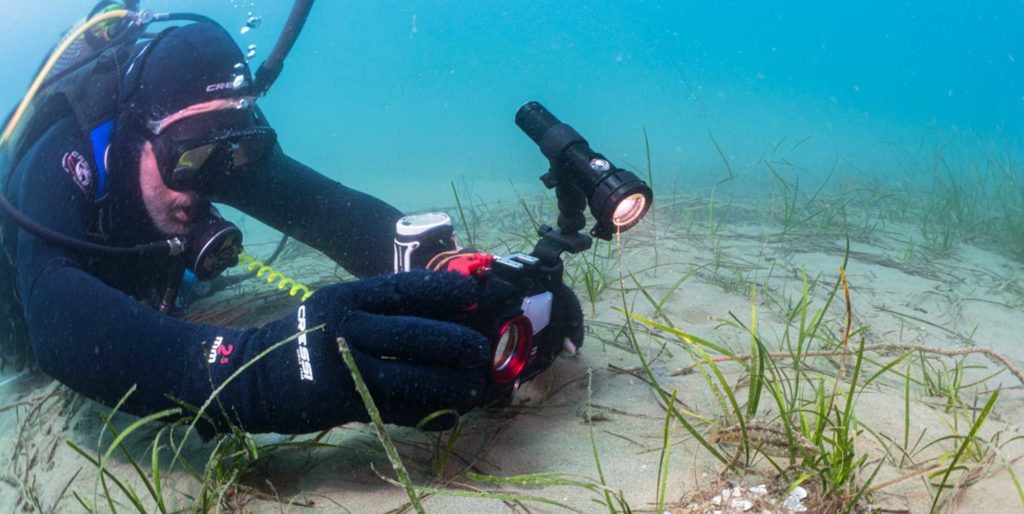
It surprises me how, even though the bases do not allow you to delete or add an element to the image, or change the sky by pasting some clouds from another different photograph, for example, some people submit things like these, believing that the jury will not discover it. This is the main reason why we ask to see the original Raw file from the camera before deciding on the winning photos.
Another aspect to consider is whether it is really worthy to submit. Unfortunately, today, there are companies, administrations or entities that organize this type of event in order to obtain a large number of photographs for their files without having to pay anything to their authors. And to be able to make a later use, sometimes, even profiting from them. Check that the use of your images is restricted to the contest itself: disclosure of the contest, holding an exhibition or publishing a book strictly for the contest, etc. It is not that your works end up published in an advertising brochure of a company, in the tourism campaign of a locality, or in a book that has nothing to do with the competition.
The abuse in this sense has been such that there are several groups that denounce these abusive bases for the authors. One of them is the Facebook group “Stop cláusulas abusivas a los fotógrafos” (“Stop abusive clauses for photographers”) and the other is the Competition Commission of AEFONA, the Spanish Association of Nature Photographers. It carries out laborious work in this regard, assessing the rules of many competitions and granting its “Recommended by AEFONA” seal, only to photography contests related to nature that have bases and prizes that respect the work of the authors. At MedFoto we are respectful of the rights of the participants and we have this seal.
Choose your photographs
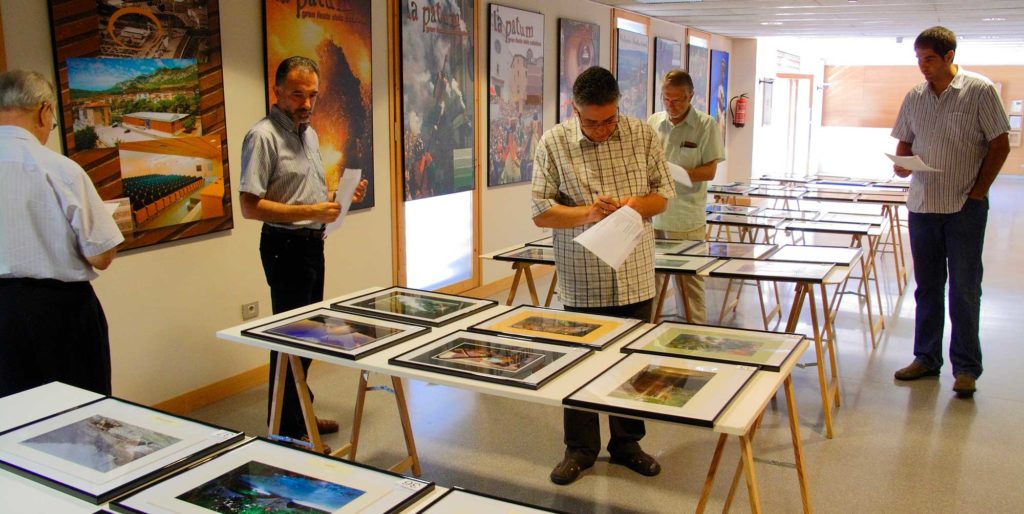
Once you have decided to participate, the most entertaining part begins: go through your photographic archive and save the photographs that seem best and most appropriate to the contest rules in a separate folder on your computer. Let this first selection rest for a day or two, and then eliminate the ones that are not technically correct and the ones that are less original or surprising.
Self-criticism is one of the most difficult steps when selecting your own photos for a contest. Sometimes it can be good to consult with a colleague, listen to their advice, but also make a relative case: if there is a photograph that you really like a lot, trust yourself and present it anyway, even if they tell you not to. Maybe the jury will like it!
If you have time, you can also propose to create some new images thinking about the specific theme of the contest: organizing an outing, especially to take photos, can be a very satisfying activity.
Try not to wait until the last day to upload the photos to the contest website. Today all presentations are made online and the servers of the contests end up being recharged on the last day and can become saturated. Better not to wait until the last minute and run into technical problems.
You’ve won?
Anyone who submits photos to a contest does so because he believes he has a chance of winning. And sometimes when he learns about the end result and sees the award-winning photos, he thinks his were better. Maybe yes, but think that the fact that a photograph has cost you a lot to get it or you like it a lot, does not necessarily mean that it is good or that a jury has to like it!
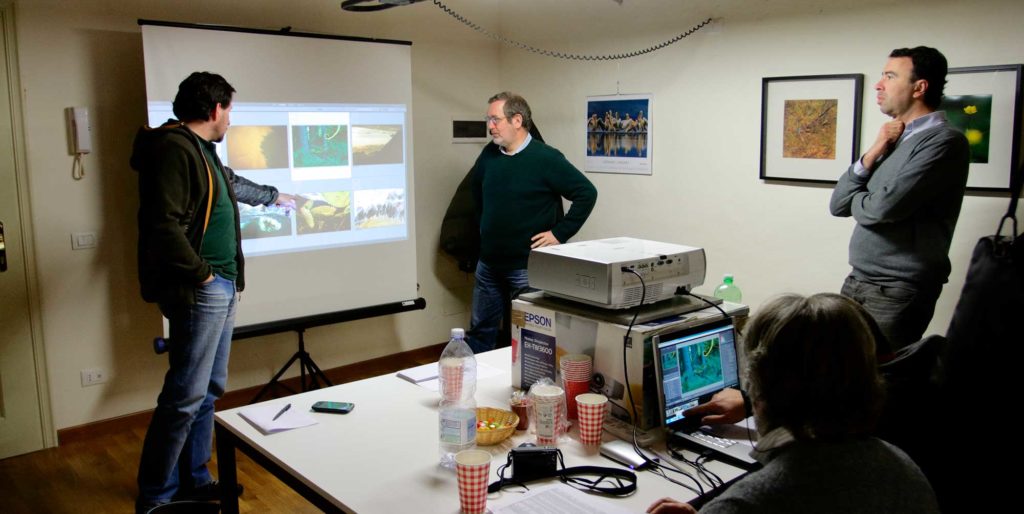
The juries are usually a group of people chosen by the fact of being recognized or qualified, good connoisseurs of the world of the image. In their meetings they take into account many different parameters and often the final decision is not easy. An interiority that may be surprising is that the award-winning images are not always equally liked by all its members. Sometimes the verdict is clear and unanimous, but photography is not an exact science.
In some of the contests in which I have participated as a jury, images have been selected or awarded that, in my opinion, did not deserve an award and, sometimes, other images I liked have been desestimated. So, when a jury is made up of several members (in the case of MedFoto we are six people, including photographers and biologists), it is necessary to debate, argue, and also know how to give in to reach a negotiated result. They are things of the difference of opinions, of consensus and democracy.
If you are one of the winners, congratulations! Your photography is creative, beautiful, or tells an interesting story. If you aren’t one of the winners this time, feel happy to have participated, competed with fellow fans and be a member of MedFoto. So take a good look at the selected photos, enjoy them, and try again next year!