10 tips for photographing the Mediterranean landscape
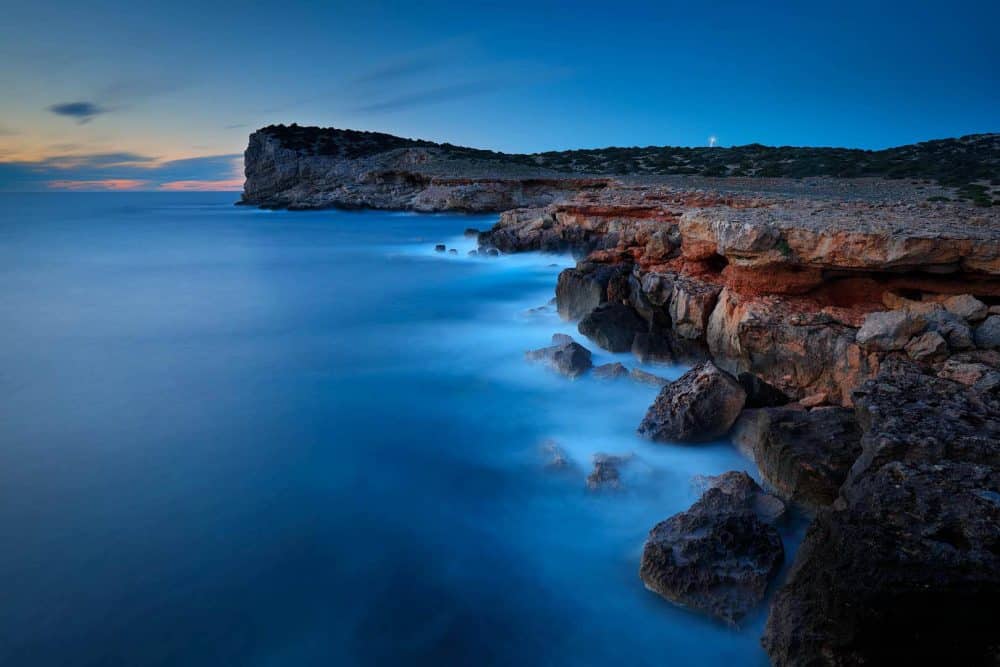
Text and photographs: Oriol Alamany, photographer, jury and member of the MedFoto organization.
Although the seven categories of the MedFoto photo contest cover a wide variety of topics related to the Mediterranean Sea, nature is one of the favorites of the participants. Landscape, Wildlife, Underwater photography and Conservation and climate change, are some of the categories to which lovers of nature photography can apply.
Getting an attractive photograph of a beautiful and spectacular landscape seems to be the easiest. But often the images end up being what, somewhat pejoratively, is called “a postcard”. That is, a photograph that shows us a beautiful place in itself, but captured without creativity and that does not transmit any special emotion.
Today we offer you the advice of one of our jurors and advisor of the contest, the photographer Oriol Alamany, to improve your landscape photographs.
There they go!
Tip #1: Pre-work is important
The photographer’s work begins long before the shutter release is pressed. Document yourself about the place you are going to visit, read about it to know its highlights, study a map, see the weather, the time of sunrise and sunset … All this can help you imagine a photograph. Or it can be useful once in the field.
Tip #2: Look before you shoot
When you find an attractive landscape, a beautiful location, do not put the camera in your eye immediately. First give yourself time to contemplate the place, let yourself be soaked by its beauty.
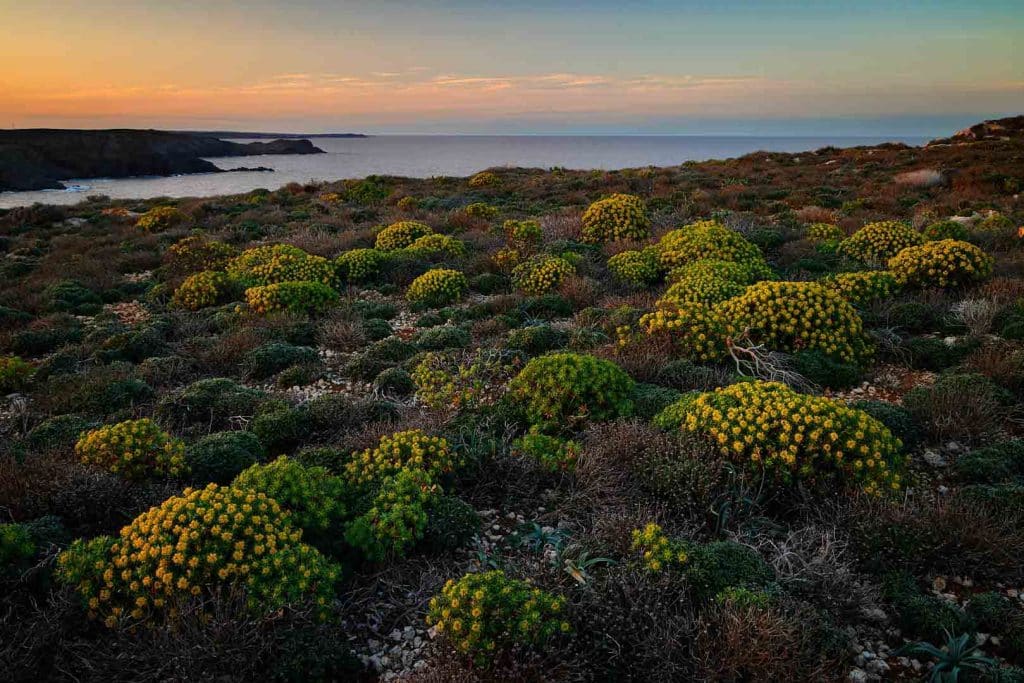
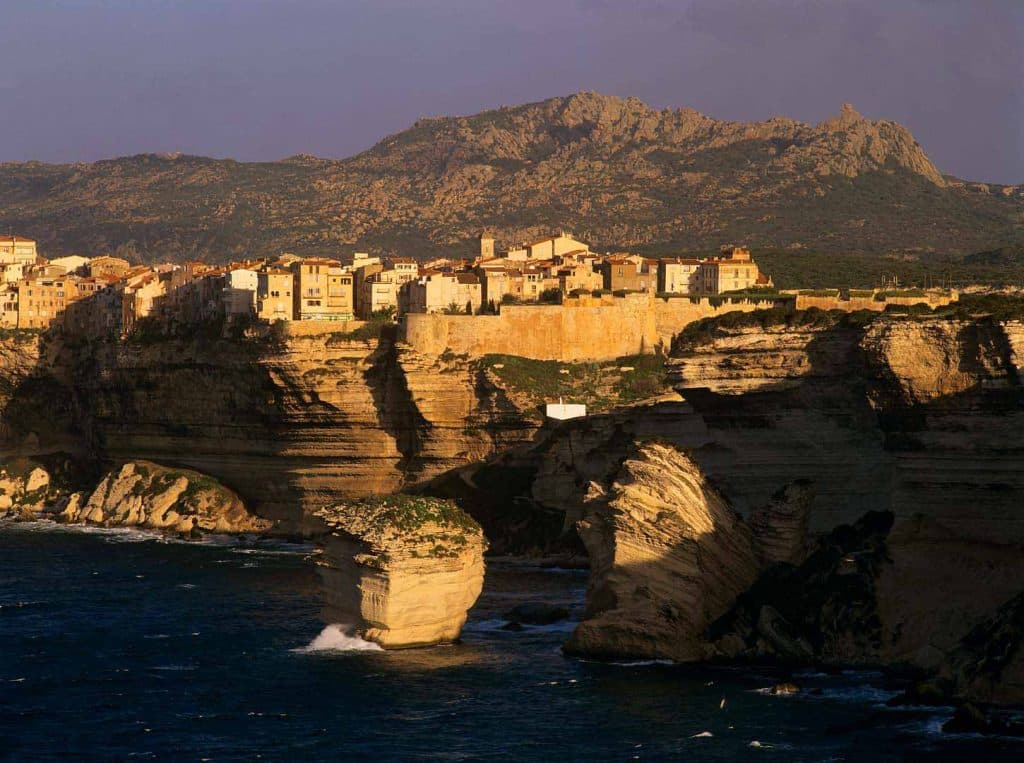
Then analyze it: what has caught your attention in the first moment? The haughty cliff? The waves breaking on the rocks? The town that rises on top? The flower clumps in the foreground?
Whatever has caught your eye, concentrate your framing there to enhance it.
Tip #3: Technique is not everything
Landscape photography should not be just a cold image resulting from a refined technique, it should convey feelings or show a story. Do not obfuscate too much with the technical parameters of megapixels, ISO sensitivity, aperture, exposure, white balance, composition rules, optical aberrations, noise reduction …
Let your creativity flow freely and try to capture what that landscape represents for you. If it is with a good technique, better. But if you do not have enough knowledge, do not disdain the automatisms of your camera.
Tip #4: Subject, light and framing
Knowing how to choose a good subject, the best light and decide the framing you will do with your camera, is your most personal contribution when facing a motif. Focus most of your attention on that.
For the same subject, several different frames or focal lengths may work. Don’t be left with a single shot. Try several of them, take horizontal and vertical photographs, with wide angle and telephoto, until you fine-tune the best result.
Tip #5: The horizon and the framing
If the close-up is interesting, leave the horizon line high in the photograph. On the contrary, if the sky presents beautiful clouds or lights, put the horizon down in the frame, to provide them with space and give them importance. The horizon, like the main subject, only in exceptional cases is the center of the photograph well.
Tip #6: The best light
“Photo-graphy” consists of “writing” with light. Fortunately, in the Mediterranean basin we have plenty of it. But most of the day is very intense, so the most attractive and original illuminations can be found at dawn, at dusk, before or after a storm, when a ray of sun sneaks through the clouds … Those are the most exciting moments for a photographer.
Don’t let the fluffy bed or stormy weather curb your urge to go out and photograph.
Tip #7: Use physical filters
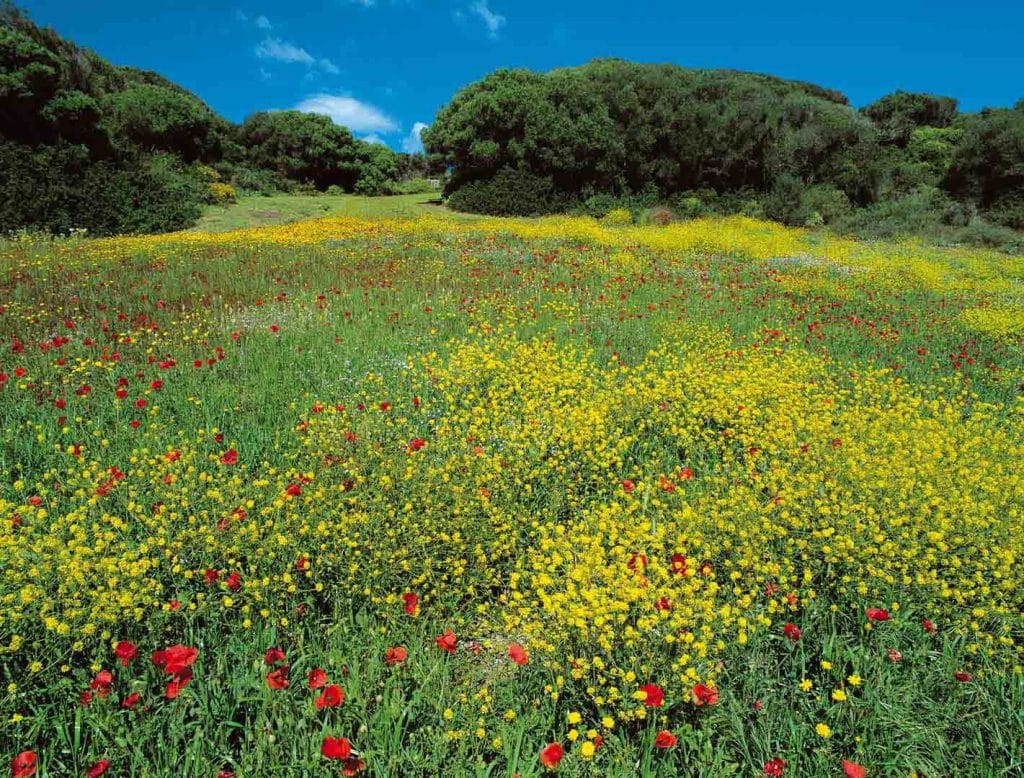
The current digital cameras increasingly allow better results. And photo retouching applications for computers offer a thousand and one possibilities of adjustments and computer filters. But the use of the physical filters of a lifetime, those glass or resin that come before the camera lens, still bring benefits. Especially the polarizing filter, which is vital to provide life to landscapes by darkening the skies and saturating colors, in a way difficult to imitate on the computer.
Tip #8: Play with the shutter speed
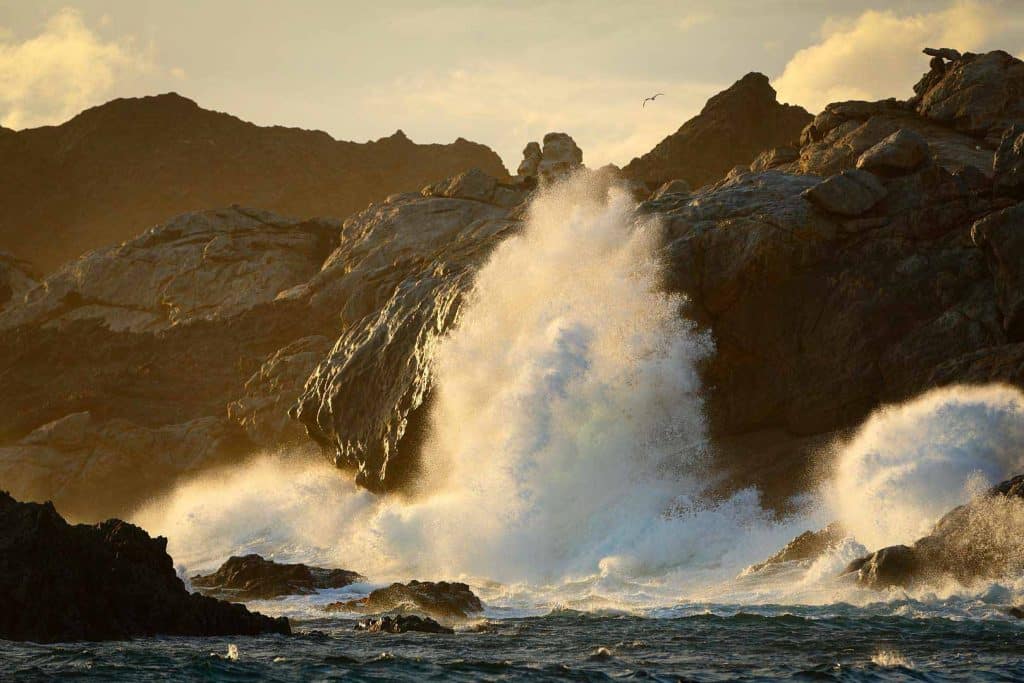
Play with the shutter speeds offered by your camera. A fast speed, such as 1/1000, will allow you to stop the flight of a seagull, the movement of a sailboat, or the splashing of waves.
A slow speed, such as 1 second or more, will capture the movement of water between rocks or poppies swayed by the wind. To reduce the light reaching the camera’s sensor for long exposures, use the minimum ISO sensitivity (usually 100), a tightly closed aperture (f:16), and you may still sometimes need to use a dark ND ND filter.
Tip #9: Play with the diaphragm apertures
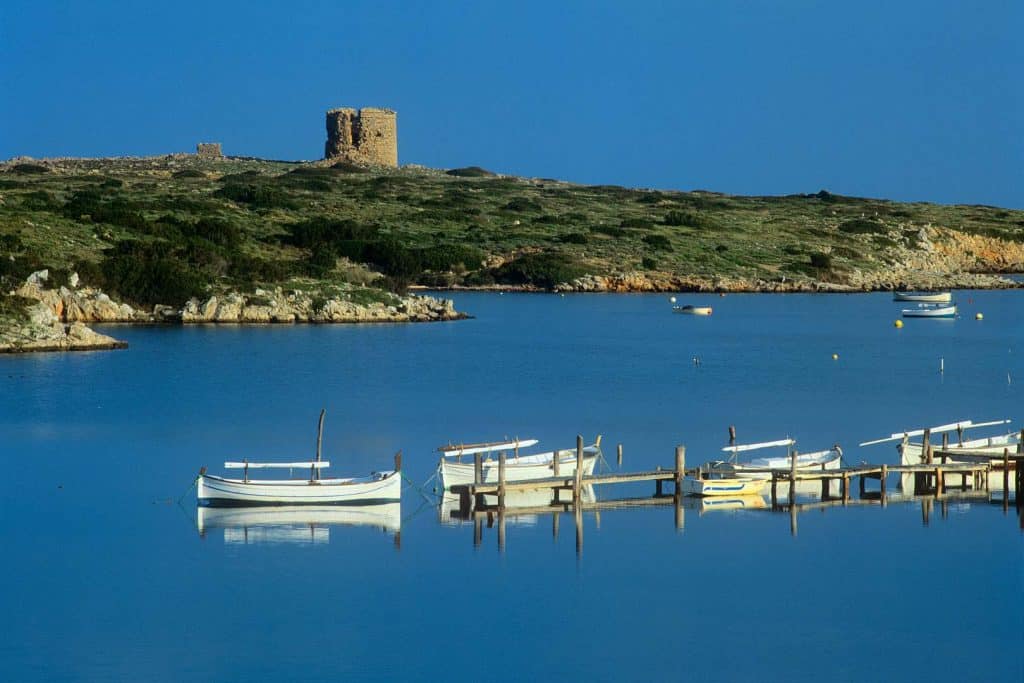
Play with the apertures of the diaphragm offered by your lens. Small apertures, such as f:11 or 16, provide a wide depth of focus and are ideal for large landscapes captured with wide angles. Open ones, such as f:2.8, allow focus to focus solely on the subject, making it stand out, especially if you’re using a telephoto lens.
Tip #10: Photo editing applications
The possibilities of photo retouching applications are very tempting. With them it is possible to change the skies, eliminate people, branches or other annoying subjects, exaggerate perspectives or blurs, until obtaining an image that has little to do with reality.
Everyone is free to do whatever they want with their photos, but at MedFoto we love our planet as it is. Therefore, if you submit photographs in the contest, do not falsify the images that nature has offered you. Show it as it is, with your creative touch, but without changing the sky, deleting or adding subjects, or others.
We know that it is much easier to achieve an impact image by manipulating it at home, comfortably seated in front of the computer. But we want to give value to authentic images of our Mediterranean. We like it as it is and the photographic challenge is much greater.