MedFoto, conservation and climate change photography
By Oriol Alamany, member of the organization and jury of MedFoto
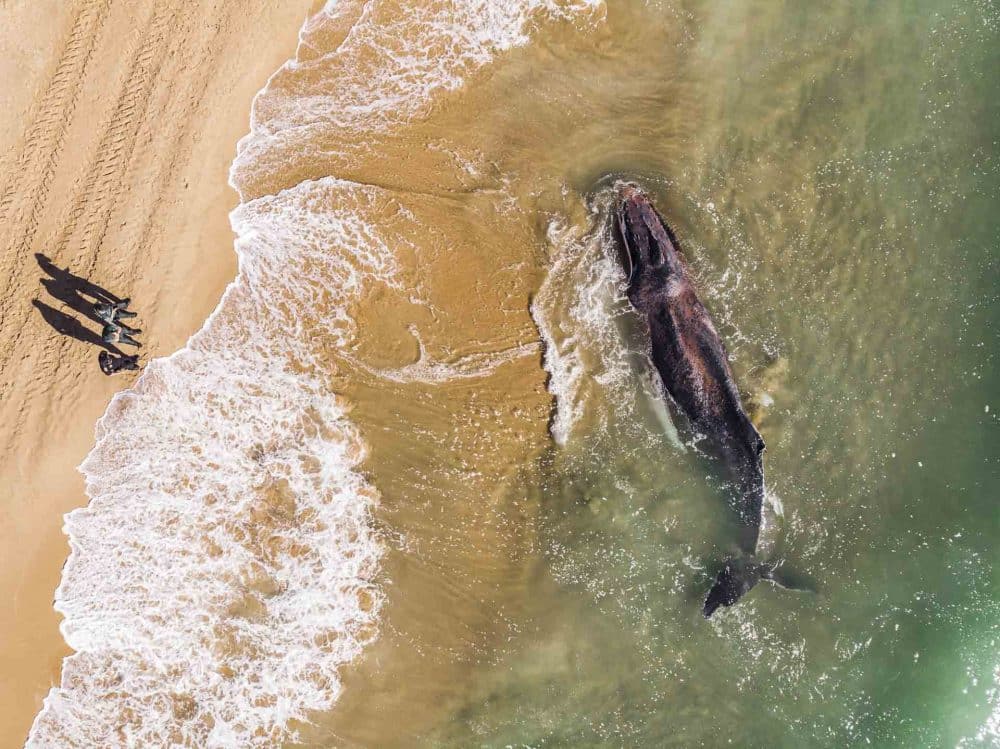
Cover photo: Her last song by Héctor Gago, MedFoto 2023 Conservation and Climate Change category winner
One of the objectives that drives us at MedFoto is to raise awareness about the need to conserve the natural environment and to divulge its issues. That’s why, from the first edition of the competition, we included the category “Conservation and climate change”. As explained in the guidelines, this category showcases photographs that depict the management of marine and coastal natural resources, environmental problems and their solutions, or the effects of climate change in the Mediterranean region.
Over the years, photography has become an important tool for documenting and achieving the conservation of the natural environment. Did you know that photography played a crucial role in the declaration of National Parks such as Yellowstone in the United States, or Doñana and Monfragüe in Spain?

Taking photographs for this category is not always easy, and often the most visually impactful images end up portraying dramatic situations. These could be considered, let’s say, negative aspects: habitat destruction, excessive urbanization, dead animals, water pollution, waste, microplastics, overuse of the environment, climate changes, etc.
However, this doesn’t mean it always has to be this way. Photographs with a more positive approach also have their place. For example: documenting beach cleanup campaigns, good practices in the natural environment, photographing endangered species, or the work that some scientists do for the study and preservation of plants, animals, or the environment.

This last theme may seem difficult, given the reluctance that many naturalists or environmental technicians show in sharing their work with unknown people and especially photographers. But here we can play the traditional exchange: they allow you access to certain places or photograph how they work with endangered species in exchange for offering them some quality photographs. These can serve to illustrate their reports or to promote their campaigns in publications or social networks. However, you have to be extremely careful to work with them and always follow their instructions and respect what they do without intrusions or disturbances.
Personally, I have often worked with naturalists on conservation projects, such as the Balearic shearwater, the Peregrine falcon, the Brown bear, or the Three-spined stickleback fish, and the results are always interesting.

From a technical point of view, conservation photographs can be taken with any type of photographic equipment. Using wide-angle lenses to photograph very close to the subject gives great drama thanks to the perspective exaggeration these optics provide. Try to vary the point of view: crouching and photographing upwards, or standing up and lowering the frame. But photographing something with a powerful telephoto lens also brings a different kind of drama, compressing the perspective, which can work with some subjects.
Once the work is finished, you’ll need to choose the photos you’ll present to the contest. Remember that at MedFoto, we like powerful photographs that tell a story in a single image.